 Beyond the Overlook
Grand Canyon
The overlooks are incredible. Hiking below the rim is what made us understand the canyon.
Firsthand guide · Last reviewed August 2026 · How we review our guides
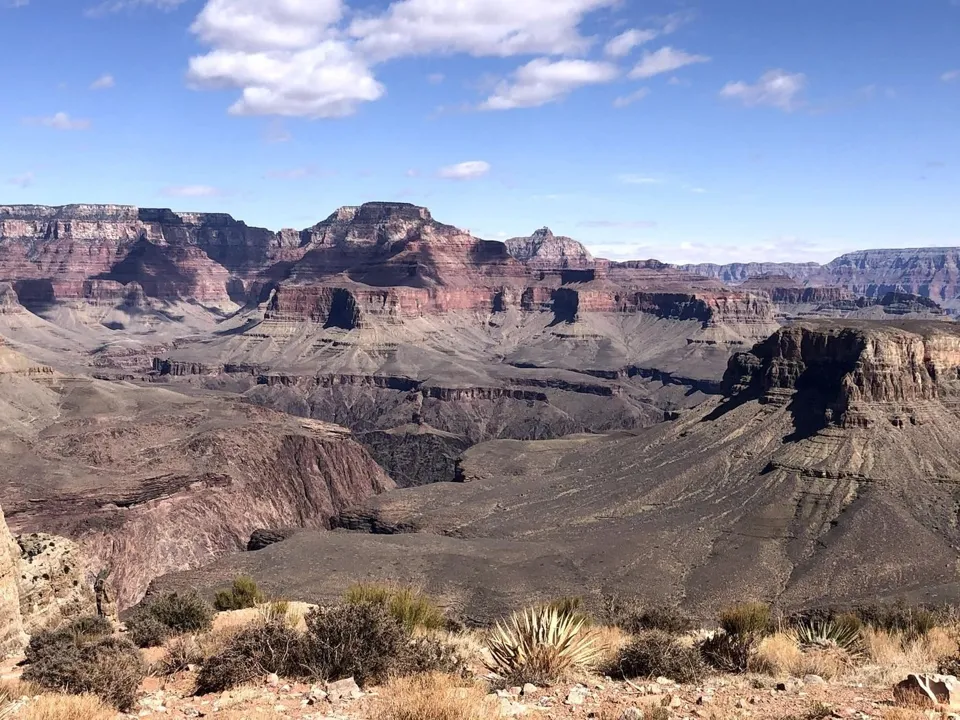
See it from above. Then get below the rim.
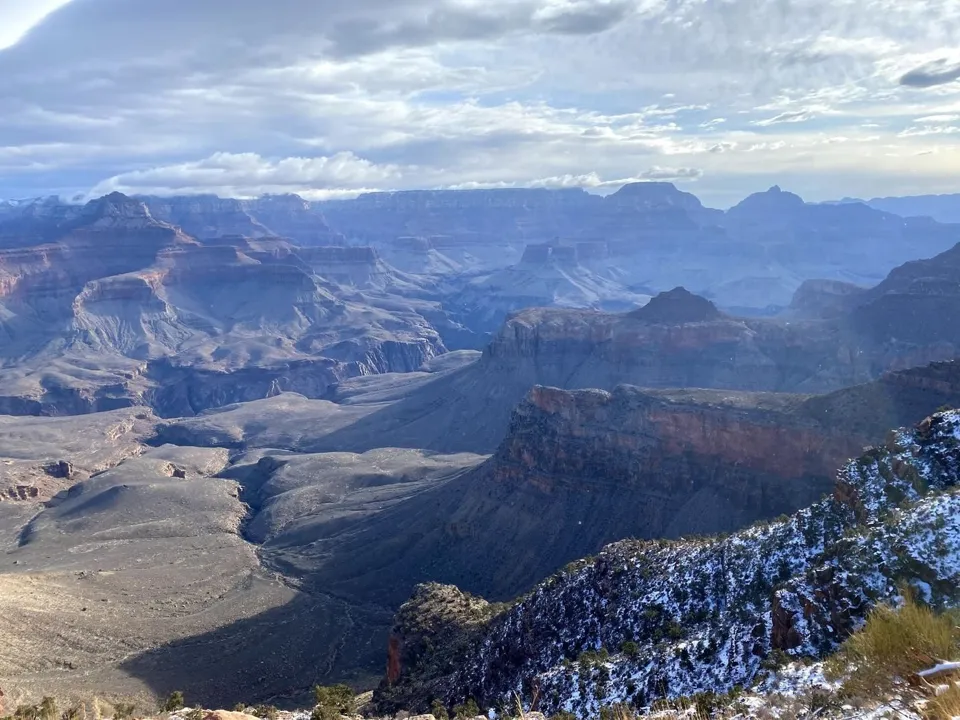
The Grand Canyon is spectacular from the overlooks, but we did not fully appreciate its scale until we hiked into it. From the rim, the canyon can feel almost flat because there is simply so much to take in. On the trail, you move through the rock layers, watch the temperature change, and realize just how far the Colorado River sits below.
Our biggest Grand Canyon recommendation: You do not have to hike to the river. But if you are physically able, get below the rim. Even South Kaibab to Ooh Aah Point gives you a completely different sense of the canyon.
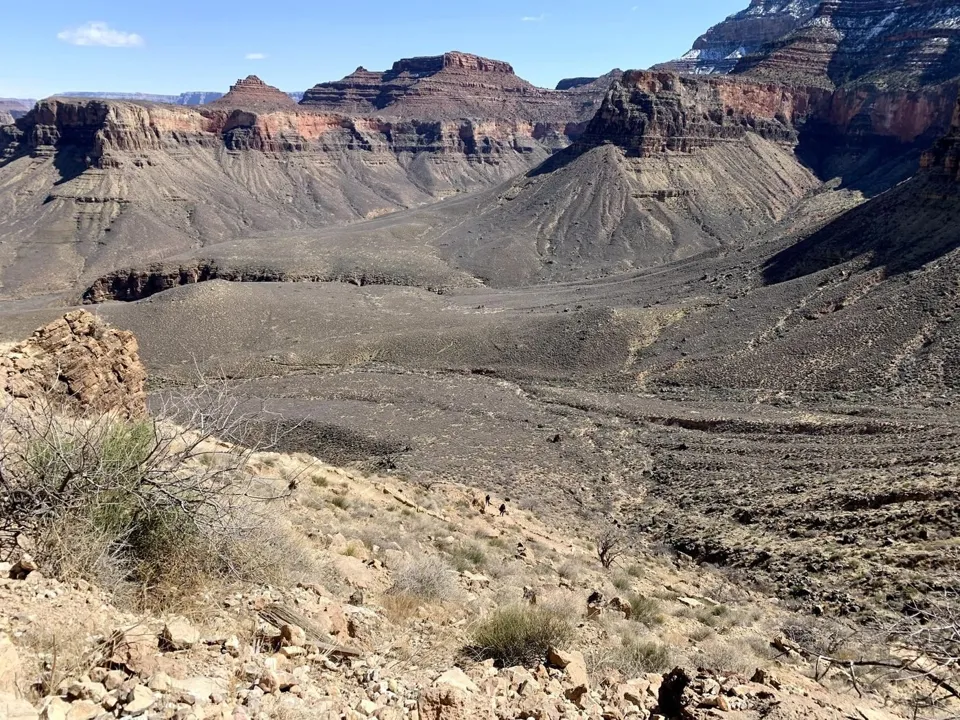
South Kaibab to the Colorado River
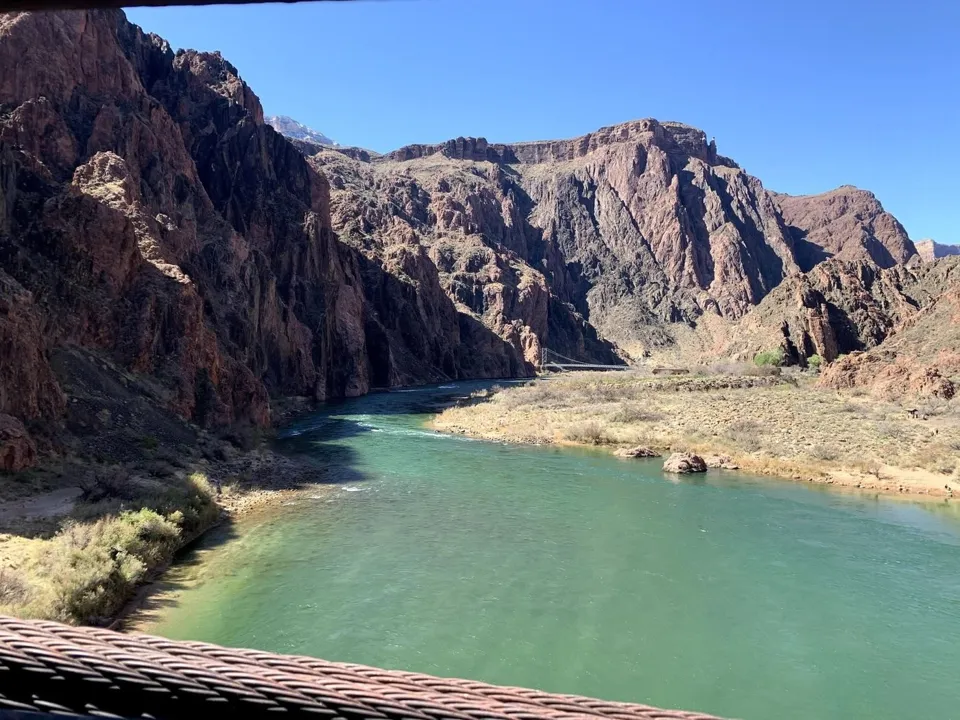
Our mid-March rim-to-river-to-rim day: ice at the top, warmth at the river, and a nearly vertical-mile climb back out.
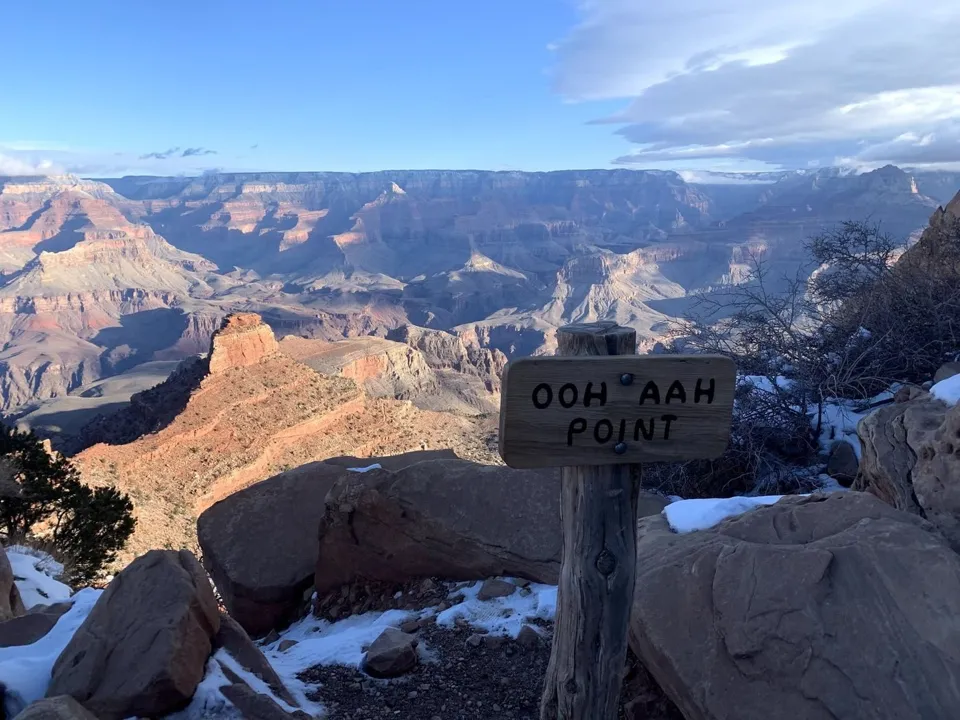
Ooh Aah Point, Cedar Ridge & Skeleton Point
You do not need a 15-mile day to experience the canyon from inside it.
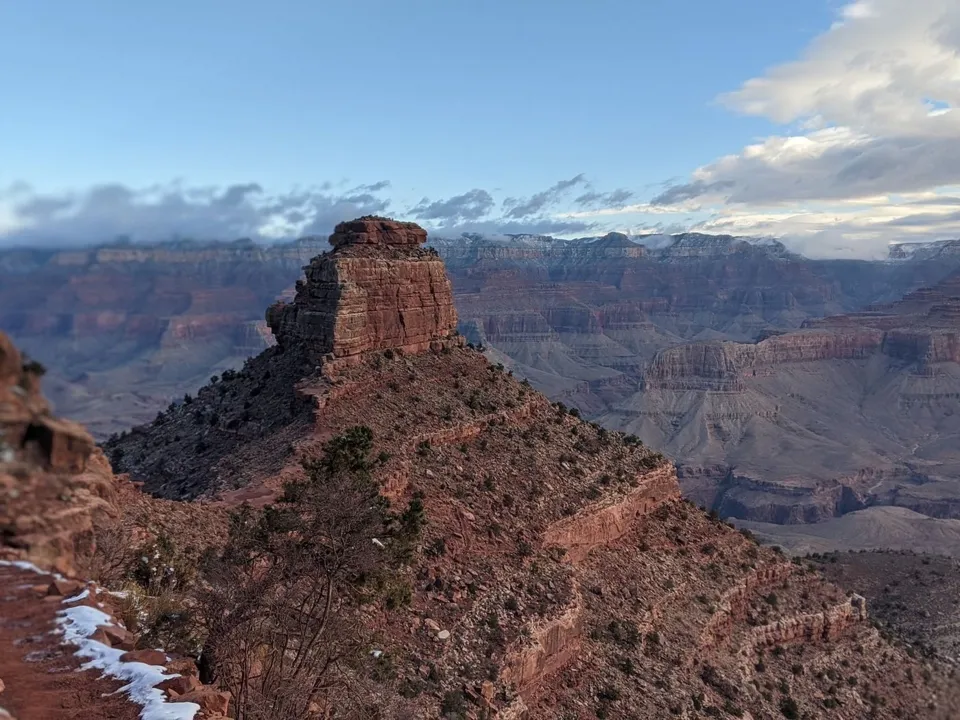
North Rim: Worth the Drive?
Bright Angel Point, Point Imperial and why the quieter side of the canyon feels different.
We visited in very different ways
On the South Rim, our defining experience was a huge South Kaibab hiking day. We started in mid-March with jackets, hats and microspikes for icy upper switchbacks, descended to the Colorado River and Phantom Ranch area, then climbed back out the same way. On another visit we drove to the North Rim for short viewpoints and a completely different perspective.
What we would prioritize
First trip and limited time: see the South Rim overlooks, then hike at least to Ooh Aah Point. Strong hikers wanting a bigger day: continue toward Cedar Ridge or Skeleton Point, or plan an overnight below the rim. Have extra days: add the North Rim when seasonal access allows. The drive takes commitment, but it feels quieter and higher than the South Rim.
Conditions in the Grand Canyon can change quickly with heat, snow, ice, flash flooding and seasonal closures. We always recommend checking the current NPS conditions before choosing a route.