 Beyond the Overlook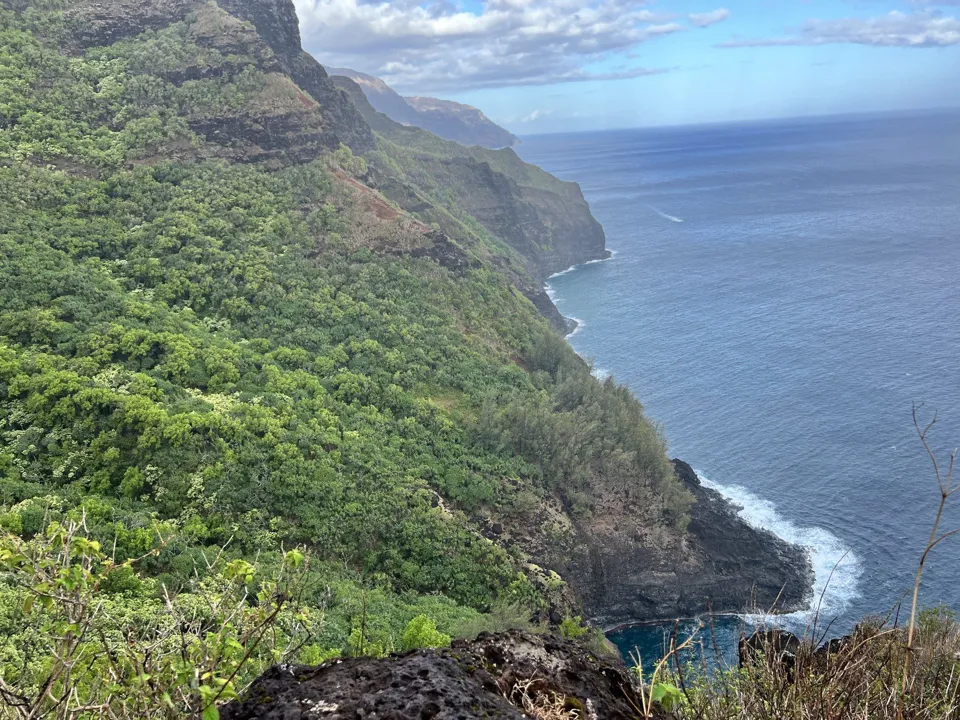
Start with the essentials below, then adjust for distance, weather, water access and how late you might finish. Our strongest recommendations come from things that have made a difference on long days: tested footwear, a filling lunch, blister care and enough water.
Our long-hike packing checklist
Water: hydration pack, enough water for the conditions, ice when practical, water treatment if refilling
Food: filling lunch, snacks and emergency "fuel"
Feet: broken-in trail shoes or boots, good socks, spare socks when appropriate
First aid: Band-Aids, blister care and a small basic kit
Navigation: downloaded route or map, plus a route plan shared when appropriate
Power: phone, portable charger and cable
Light: headlamp for long or potentially late days
Weather: appropriate layers and a rain shell when conditions warrant
Sun: hat and sunscreen
Support: trekking poles when useful
Wildlife: bear spray where appropriate
Trash: Ziploc or another bag to pack everything out
Photos: small collapsible tripod
Bring real food, not just hiking snacks
On a short hike, a snack may be plenty. On a long hiking day, we want actual food. We've packed sandwiches, hard-boiled eggs, grilled chicken with avocado and crackers, peanut butter and apples, homemade trail mix and plenty of snacks. The exact meal changes, but we want something substantial enough to give us energy for the second half of the hike.
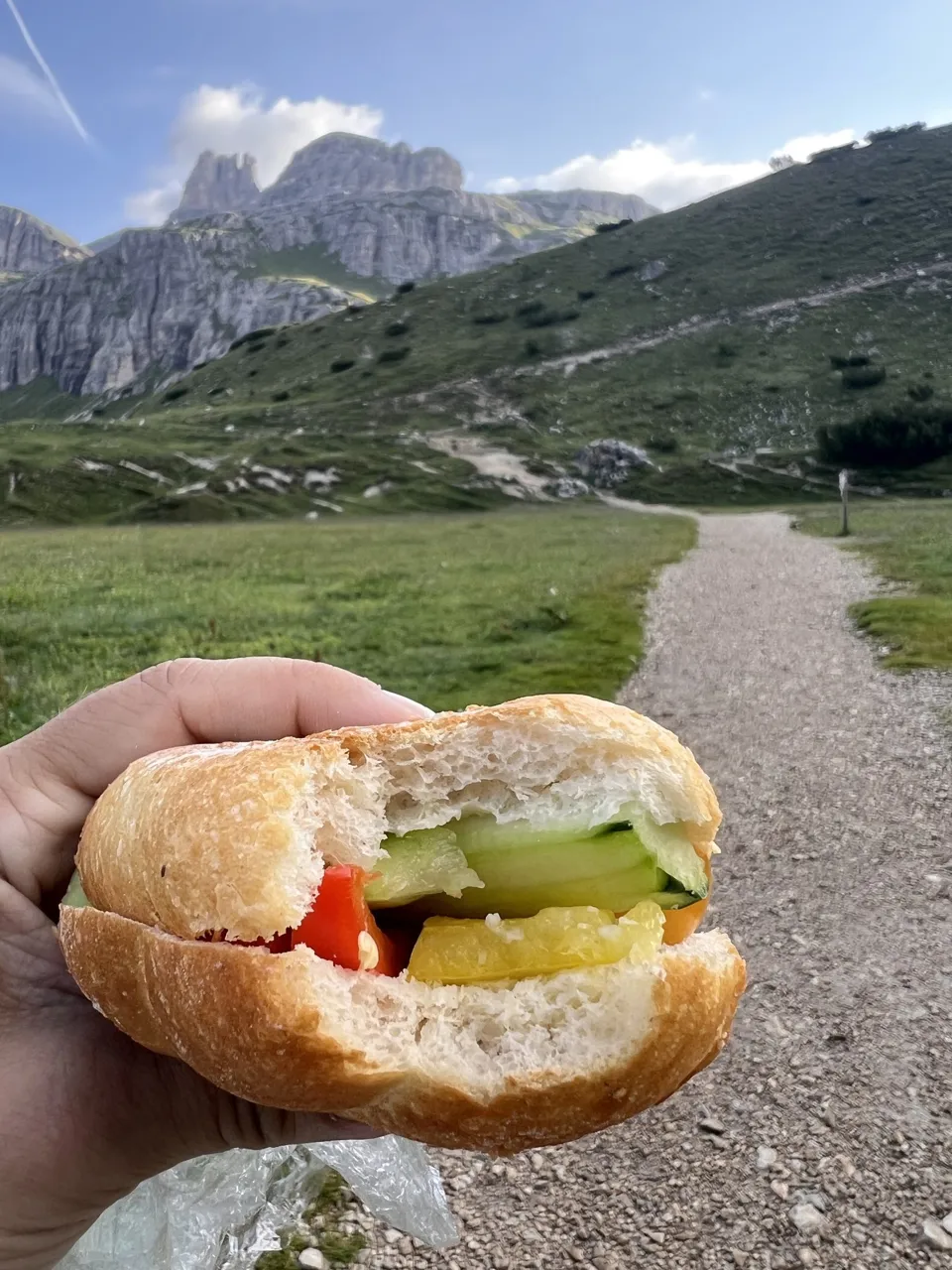
For kids, pack a small treat they look forward to as well as real food. We called our Mike and Ikes “fuel”; having a few to look forward to helped when enthusiasm faded.
Choose snacks that travel well in the weather. My chocolate, almond and dried-cherry trail mix tasted great, but melting chocolate made it messy on hot days.
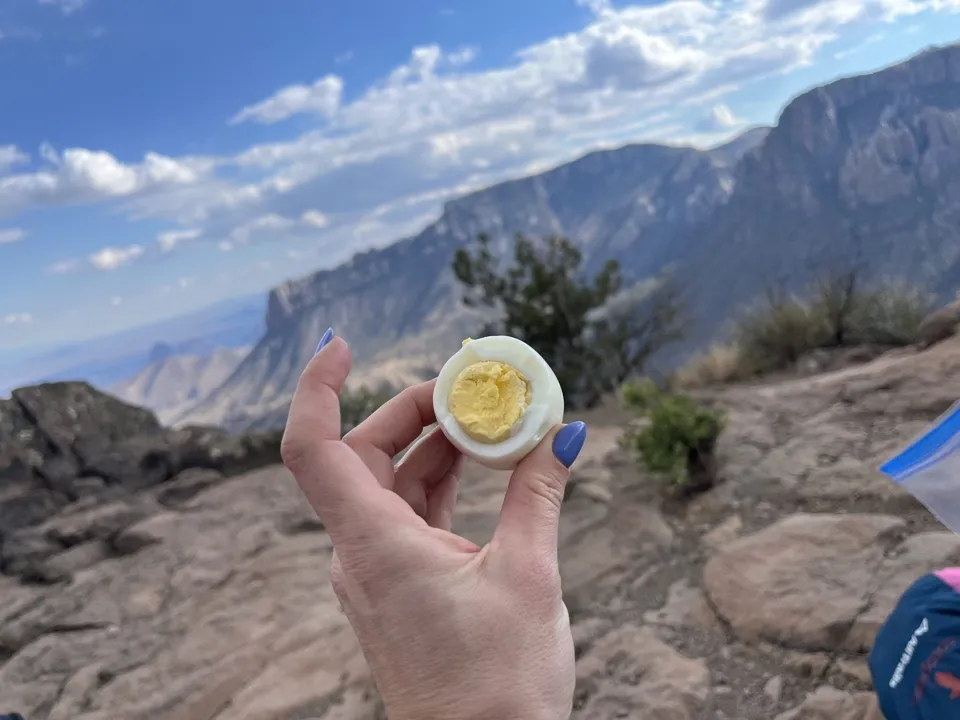
One tiny thing that's easy to forget is a plastic knife if your lunch needs one. We also always carry a Ziploc or another bag for trash. If we carry it onto the trail, we carry it back out.
Bring enough water, and think about the whole day
Water is one place where we don't try too hard to save weight. Before a long hike, I often fill my hydration pack with ice from the hotel ice machine first, then add water. It keeps the water cold much longer on a hot hiking day.
How much we carry depends on distance, temperature, elevation and whether there are reliable water sources. If we're planning to refill from a natural source, we bring an appropriate filter or treatment method rather than assuming stream water is safe to drink. On long or hot days, electrolytes can also be useful.
Band-Aids weigh almost nothing. Bring them.
A few Band-Aids have saved more hiking days than some much more expensive gear. They're useful for a fall or scrape, but I also carry them because of shoes. If you start feeling a hot spot or rubbing, deal with it immediately. A well-placed Band-Aid or blister treatment can keep an irritated spot from becoming the blister that makes every remaining mile miserable.
For a remote, long hike, we also carry a small basic first-aid kit with a few supplies such as antiseptic wipes and gauze rather than trying to carry a full medicine cabinet.
Consider trekking poles for long descents
I didn't always hike with trekking poles, but I bring them much more often now. On a long hike, particularly one with a lot of descent, my knees can start hurting. Poles help take some of that pressure off and add stability on steep or uneven terrain.
Your shoes matter more than almost anything else
A long hike is not the day to test new hiking shoes. Whatever you wear, use something you've already worn enough to know it fits well and doesn't rub.
I tend to prefer trail sneakers to traditional hiking boots, but that's personal. Some people are much happier in boots. What matters is traction, comfort and knowing how the shoes feel after several hours.
I also really like Smartwool socks. They're comfortable and have worn well for me on long hikes. On hikes where wet feet are a real possibility, I'll stash an extra pair of socks in the pack. Wet socks can make the rest of a long day surprisingly unpleasant.
A headlamp is useful even if you don't plan to hike at night
If there's a realistic possibility a long hike could extend into darkness, we bring a headlamp. We've deliberately started and finished hikes in the dark, including our roughly 22-mile day on the Kalalau Trail. But a headlamp is also insurance for a hike that simply takes longer than expected. A phone flashlight isn't the substitute I want when I'm navigating a trail after sunset.
Sun, rain and temperature changes
I like hiking in a hat, and sunscreen stays in the backpack so we can reapply it. On a long hike, you're outside for hours and conditions can change dramatically.
Layers depend on the hike. You can start in a cool forest, climb into exposed sun, reach a windy alpine pass and descend as temperatures fall late in the day. A lightweight rain shell can be worth carrying even when the trailhead forecast looks good. We check conditions for the whole hike, not just the trailhead.
Keep your phone alive and know the route
My phone is my camera, often part of our navigation system, and potentially a means of communication. On a long day, especially when I'm taking lots of photos or using navigation, I bring a portable battery pack and charging cable.
We also save or download the route before starting. Cell service should never be assumed on a national park trail. For a long or remote hike, it's also smart to make sure someone knows your route and expected return time.
One extremely unglamorous detail: put the car key somewhere secure and zipped. Losing a car key miles from the trailhead is not the ending you want.
Bring a way to take your own pictures
This isn't essential safety gear, but it's become one of my favorite things to carry. I use a small collapsible tripod for my phone. It's especially useful on remote trails where you may go a long time without seeing another person. Instead of finishing an incredible hike with 100 photos of the scenery and none of us together, we can set up the tripod and take our own.
Know the wildlife precautions for your trail
We research wildlife precautions for each destination and carry bear spray where appropriate. The important part is knowing the guidance for the park you're actually visiting and keeping any safety equipment accessible rather than buried at the bottom of the backpack.
Keep extra electronics off the standard packing list
Extra electronics should solve a specific need worth the weight. For most hikes, we would keep the focus on navigation, a charged phone and the essentials above.
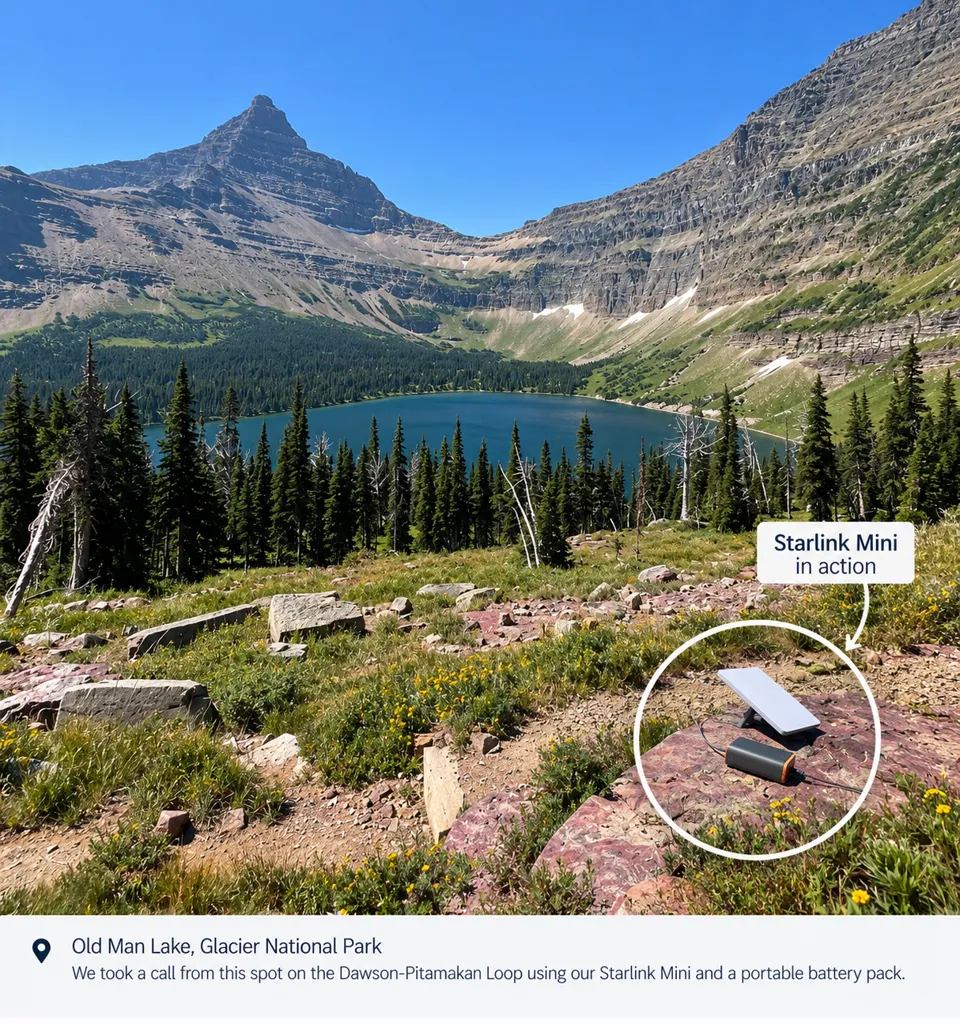
Read our firsthand Starlink Mini review for national parks →
The hardest part is deciding what not to bring
Every useful item sounds easy to justify when it's sitting on the hotel-room floor. Then you have to carry it uphill for six hours.
That's why we don't have one enormous packing list that we blindly follow. Before each long hike, we think about distance, elevation, weather, remoteness, water availability, wildlife and how late we expect to finish.
Some things almost always make the cut: enough water, real food, Band-Aids, sun protection, navigation and a way to keep the phone alive. Everything else earns its place based on the hike.
The goal isn't to have everything you could possibly need. It's to have the things you're actually likely to need without making the backpack itself the hardest part of the hike.