 Beyond the Overlook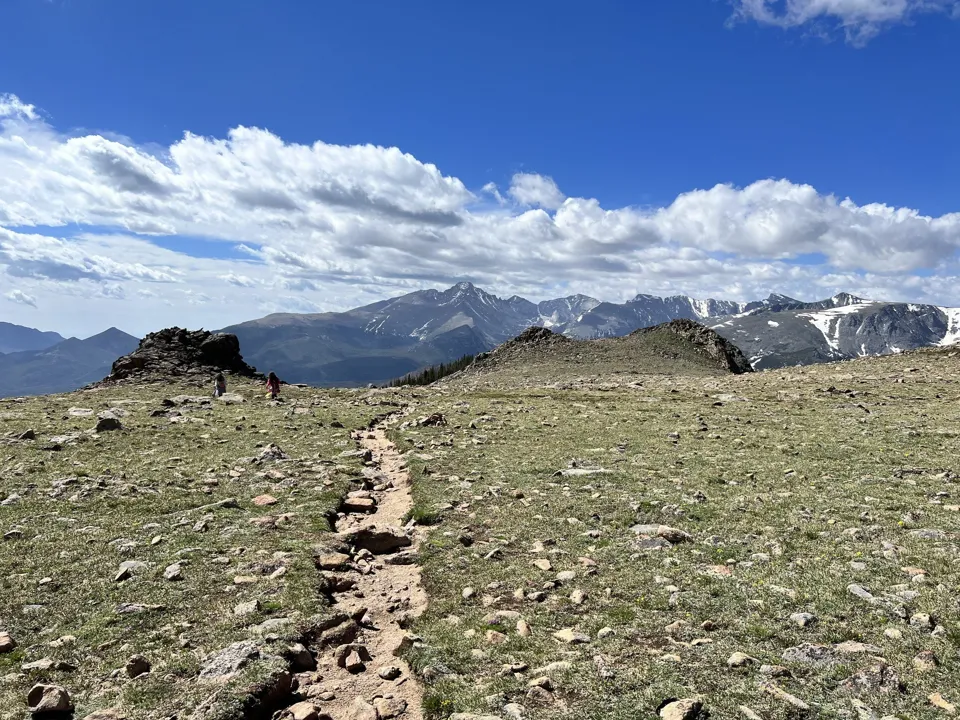
The Ute Trail was one of the biggest surprises of our Rocky Mountain trip. After days of forests and alpine lakes, walking across open tundra made it feel like we had entered a completely different landscape.
Ute Trail quick facts
Why it stood out
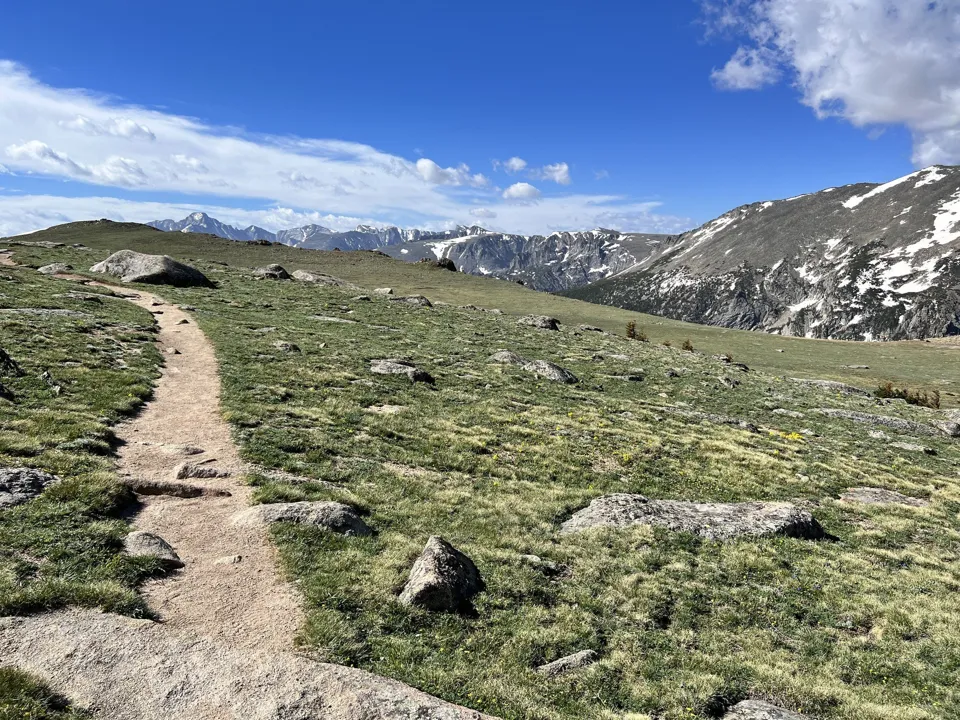
The views feel enormous because there is very little between you and the surrounding mountains. Even the small rocks scattered across the tundra became part of what the kids enjoyed about the trail.
We did the Ute Trail as part of our Trail Ridge Road day rather than treating it as an isolated hike.
Weather matters more up here
This terrain is exposed. Wind, temperature and thunderstorms matter much more than on a protected forest trail.
What makes the Ute Trail different
Most visitors spend a lot of time looking up at Rocky Mountain National Park's peaks. On the Ute Trail, you are already in the high country. The experience is broader and more open: tundra underfoot, long sightlines across the mountains and very little tree cover.
Make it part of a Trail Ridge Road day
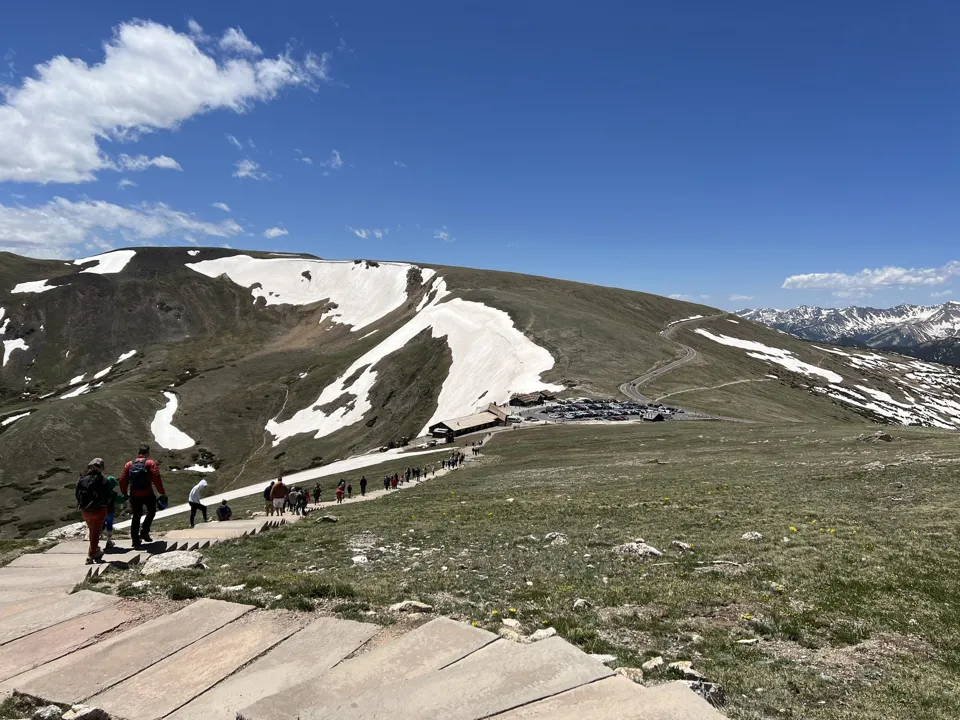
We would not think of this as an isolated trailhead-and-back hike. Its real strength is how naturally it fits with Trail Ridge Road, the Alpine Visitor Center area and the short tundra walks along the road. That lets you devote one day to Rocky's above-treeline landscape before continuing west toward Grand Lake.
Exposure is the main difficulty
Open tundra means almost no shelter from sun, wind or lightning. Temperatures can also be dramatically cooler than Estes Park. We carried layers even when the lower elevations felt warm, and we would be particularly conservative if thunderstorms were in the forecast.
Protect the tundra
The alpine plants grow in an extremely short season and can be damaged easily. Stay on the established trail and durable surfaces rather than cutting across vegetation for a photo or viewpoint.
Pair it with the short alpine walks
The Tundra Communities Trail at Rock Cut is roughly a mile round trip with about 200 feet of gain and gives another easy way to experience the high country. Alpine Ridge near the visitor center is even shorter but climbs quickly. These are useful add-ons because they deliver big views without turning the day into another Sky Pond-sized hike.
Questions we had about Ute Trail
Is Ute Trail worth hiking?
Yes. It was one of the highlights of our trip precisely because it did not feel like the lake and forest hikes we had already done. The open tundra and enormous views made it feel like a different park.
What makes Ute Trail different?
There is very little visual shelter once you are out on the tundra. You see broad mountain landscapes instead of moving through dense forest toward one destination.
When would we hike Ute Trail?
We like it as part of a Trail Ridge Road day. That lets you combine a real hike with the high points along the road and continue toward Grand Lake rather than treating the drive as a separate sightseeing day.
What is the biggest concern on Ute Trail?
Weather. The exposed tundra is not where we would want to be when thunderstorms build. Start early, watch the sky and protect the fragile alpine vegetation by staying on trail.