 Beyond the Overlook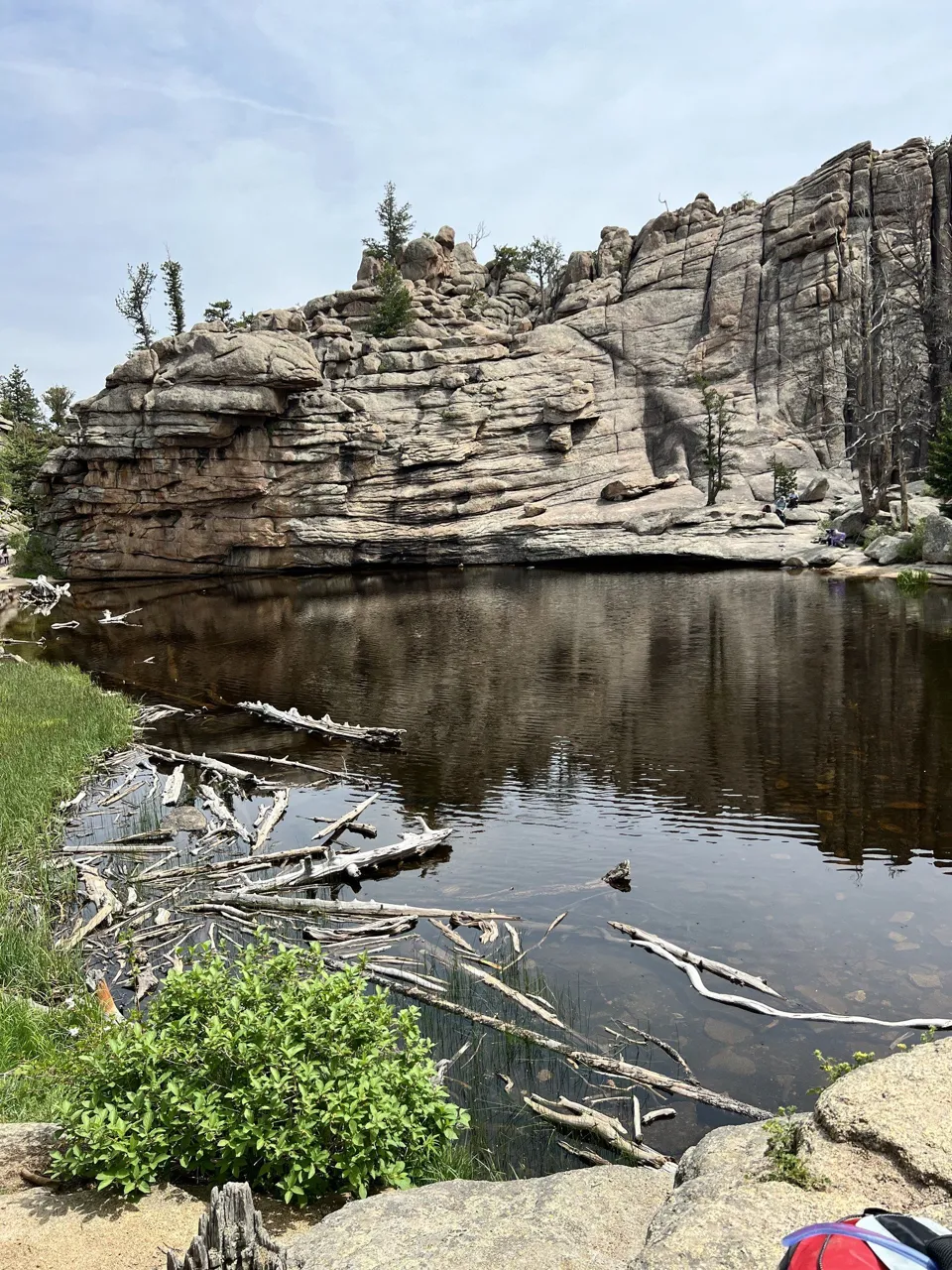
Gem Lake was one of the most playful hikes of our Rocky Mountain trip. It is not a huge alpine objective like Sky Pond, but the enormous rock formations made the trail fun to explore and climb around.
Gem Lake quick facts
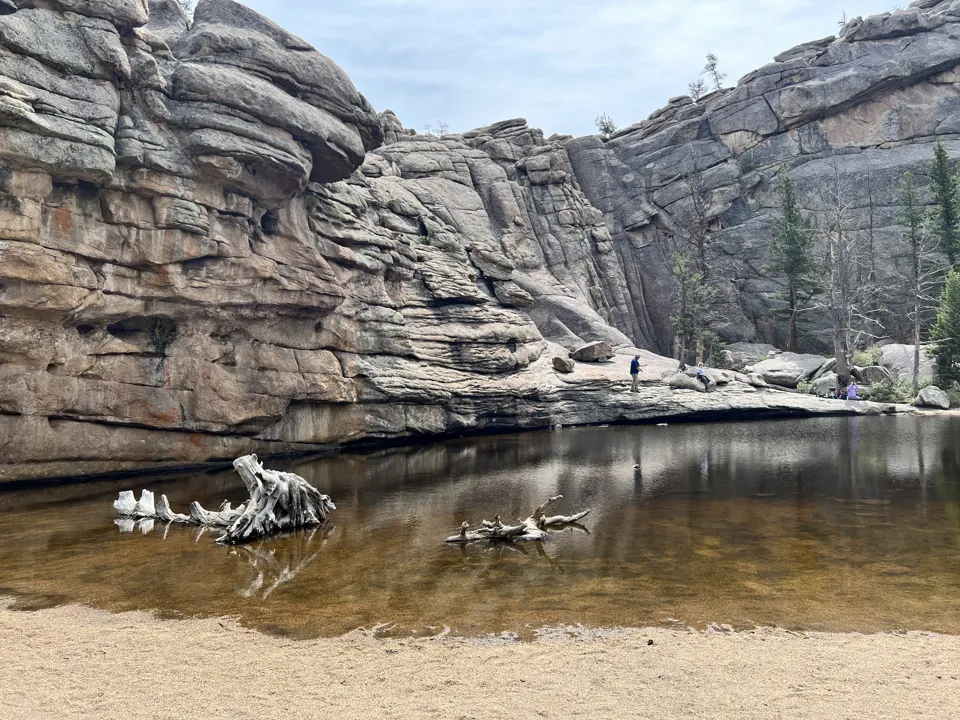
The rocks are a big part of the hike
The Lumpy Ridge side of RMNP looks and feels different from Bear Lake Road. We loved the giant formations and all the places where the terrain invites you to stop, look around and scramble on the rocks.
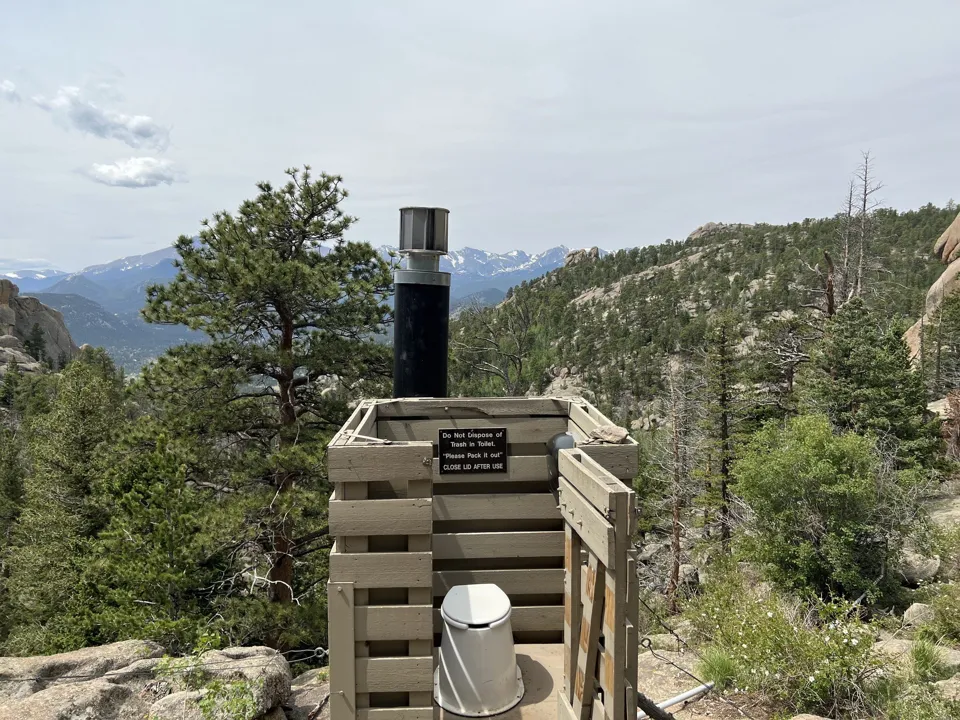
And then there is the toilet
It sounds ridiculous to include a toilet in a hike review, but this one deserves it. The backcountry privy has a wide-open mountain view that may make it the most scenic trail toilet we have ever encountered.
Where it fits
Gem Lake worked well as a moderate day late in our trip and gave us another section of the park without requiring another all-day high-elevation hike.
Trail snapshot
Distance: About 3.2 miles round trip · Elevation gain: About 1,000 feet · Difficulty: Moderate · Start: Lumpy Ridge Trailhead · Best feature: Rocks, views and a very memorable privy
Short does not mean flat
Gem Lake is only about 1.6 miles from the trailhead, but the route gains around 1,000 feet. That is why we think "moderate" is a much better description than "easy." You climb steadily, with the views opening over Estes Park as you gain elevation.
A completely different side of Rocky
Lumpy Ridge does not look like the Bear Lake corridor. The landscape is dominated by rounded granite formations, exposed rock and views back toward Estes Park. That difference is exactly why Gem Lake fits so well in a multi-day itinerary: it is not just another alpine lake hike.
At the lake
Gem Lake is small and tucked directly into the rock formations. The fun for us was as much about the setting as the water. This is a good place to slow down, explore the rocks responsibly and enjoy the fact that you got a substantial climb without spending the entire day on trail.
When we'd choose Gem Lake
Pick it when you want a half-day hike, when the highest trails are still snowy, or when your legs need something shorter after Sky Pond or another long day. Because the trailhead is by Estes Park, it also pairs easily with town activities.
Crowds and timing
Gem Lake is popular, so an earlier start still helps. The trail is also fairly exposed in places. On a warm sunny day, the climb can feel hotter than the shaded Bear Lake trails, making water and sun protection important even on a relatively short hike.
Questions we had about Gem Lake
Is Gem Lake worth it?
Yes, especially if you want a shorter hike that still feels substantial. The elevation gain comes quickly, and the giant rock formations and views back toward Estes Park make the route more interesting than the mileage suggests.
Is Gem Lake easy because it is short?
Not really. About 1,000 feet of climbing in roughly 1.6 miles to the lake makes it steeper than the round-trip mileage implies.
What did we remember most about Gem Lake?
The rocks were fun to explore, the views were excellent and, unusually, we still remember the backcountry toilet because it had such a beautiful view.
When does Gem Lake fit into an itinerary?
It works well on a day when you want a real hike without committing to Sky Pond or Chasm Lake mileage. We paired the Lumpy Ridge side of the park with more time around Estes Park.