 Beyond the Overlook
Hawaiʻi Volcanoes National Park: What’s Actually Worth Doing
Stay close, hike through a crater, drive to the coast, and check what Kīlauea is doing before you go.
Firsthand guide · Last reviewed August 2026 · How we review our guides
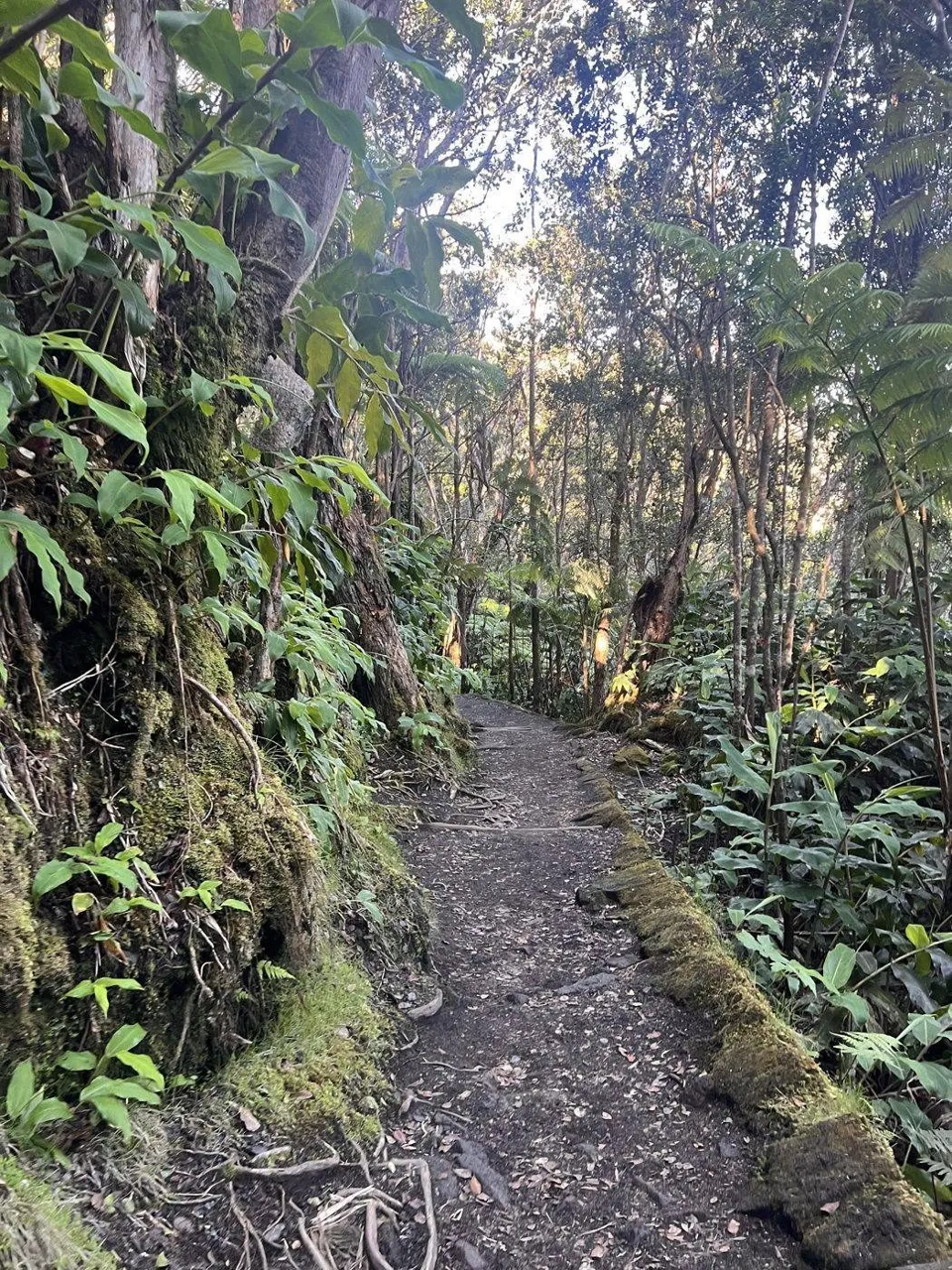
Our top pick: Kīlauea Iki was the best way we found to experience the park on foot.
Stay in Volcano Village
We stayed in an Airbnb in Volcano Village rather than splurging on the hotel. Being only minutes from the park was incredibly useful, especially because volcanic activity and weather do not follow your itinerary.
Kīlauea Iki: must do
The hike starts immersed in rainforest, drops onto the floor of the 1959 Kīlauea Iki crater, crosses the hardened lava landscape and climbs back to overlooks. It is roughly a 3.3-mile loop from the main trailhead. The contrast between lush forest and crater floor made this one of our favorite hikes on the island.
Byron Ledge / Halemaʻumaʻu
We enjoyed the sulfurous volcanic landscape and different perspective, but portions connect with Kīlauea Iki. If you already did Kīlauea Iki and have limited time, this is lower priority.
Nāhuku vs. a more adventurous lava tube
Nāhuku (Thurston Lava Tube) was convenient and interesting, but very developed. We preferred Kaumana Caves near Hilo, where you need your own light and the experience feels much more raw.
Chain of Craters Road
Drive it. The roughly 19-mile road moves through rainforest, craters and enormous black lava flows before reaching dramatic ocean cliffs. We liked the Puʻuloa Petroglyphs stop, but would call it optional if time is tight. The coastal end was a highlight.
Try to time Kīlauea
Kīlauea has been erupting episodically. Check current USGS and National Park Service updates immediately before your visit rather than relying on a fixed eruption schedule. If lava is visible, nighttime or very early morning can make the glow much easier to see. Always follow current closures.
Our verdict: Kīlauea Iki + Chain of Craters Road are the priorities. Stay nearby if you can, then use current volcanic conditions to decide whether to return after dark.
Think of the park as landscapes, not guaranteed lava
Hawaiʻi Volcanoes is worth visiting even when there is no dramatic lava fountain to watch. Kīlauea activity can be episodic, with pauses between eruptive episodes, so build the day around the crater, lava fields, rainforest and Chain of Craters Road first. If an eruption is visible, treat it as an extraordinary bonus and check current NPS and USGS updates before you go.
That mindset also keeps you from spending the whole day chasing one overlook. Kīlauea Iki puts you down inside a former lava lake, Nāhuku takes you through lush forest into a lava tube, and Chain of Craters Road shows how dramatically the landscape changes as you descend toward the coast.
How we would spend one full day
Start around the summit area and make Kīlauea Iki the main hike. Add Nāhuku while you are already in that part of the park, then drive Chain of Craters Road with time for pullouts rather than treating it as transportation. If volcanic activity is visible, work an eruption-viewing stop around current conditions instead of rebuilding the entire day around it.
Staying in Volcano Village made this much easier for us. It gave us the flexibility to be in the park early, return if conditions changed and avoid turning the visit into a long commute from the resort side of the island.
Current logistics can change quickly
Volcanic activity, air quality, road access and parking can all change. The park specifically recommends checking current conditions, and parking can become much harder during active eruption periods. In 2026, visitor services are temporarily operating from the Welcome Center while the Kīlauea Visitor Center is renovated. Check the park site shortly before your visit rather than relying on an old itinerary.